The ‘Adolescence’ Generation Steps into the Spotlight
The hit TV series Adolescence has shone a light on the complex realities faced by young people in the UK today. From mental health and online safety to the need for positive role models, the show has sparked a national conversation about how society can better support its youth.
Education: The Call for More Male Role Models
Education Secretary Bridget Phillipson recently described boys’ behaviour as “the defining issue of our time” and called for more men to join the teaching profession. One in four of the teachers in schools are men, one in seven in nursery and primary and that reduces to one in 33 in early years schooling. The government is exploring ways to recruit and retain more male role models to support adolescent boys.
Dr Richard Remelie, 32, a sociology lecturer at Manchester Metropolitan University explains why “It’s crucial that excellent male role models aren’t in short supply”.

He highlights the unique importance of same-sex role models in education: He acknowledges that while women can be excellent role models for boys and men for girls, there is something distinct about same-sex role models that is “not easy to explain but is nonetheless very important.”

He explains: “I’ve noticed this in my teaching experiences where I’ve intuitively sensed a different kind of attention and respect coming from some of my male students which I’m sure has to do with the fact that I am, like them, a male.”
Richard highlights the power of representation, noting that:
“Anyone can inspire us, but there’s something different about the way a person can inspire you when you can really see yourself in them.”
Reflecting on his teaching, he shares how some male students have been “pleasantly surprised to find an impressive male role model who has come from a similar position to them and who has worked hard to get to a position that they could one day be in if they worked hard.”
He adds:
“It’s sometimes like they didn’t expect me to be as competent and confident as they found me to be, and when I explain that I wasn’t always like this I know that some of them have felt inspired to learn and grow because I’ve made it easier for them to imagine themselves achieving great things that they might not have previously imagined themselves capable of.”
Importantly, Richard points out that the impact of male role models extends beyond academic achievement: “It’s not just about inspiring people to do well in education or their job – it’s about inspiring them to be better people and to live honourable lives no matter where they go or how they spend their time.”
Social Media, Influencers, and School Behaviour
A major challenge facing schools is the influence of social media personalities, such as Andrew Tate, who teachers say is fuelling a rise in misogyny and sexism among pupils.
According to a recent NASUWT teaching union survey of over 5,800 teachers, nearly three in five (59%) believe social media is the number one cause of negative behaviour in schools. teachers have reported incidents where boys are influenced by online content, have refused to speak to female staff or have used derogatory language, with some even writing essays praising misogynistic views.
Patrick Roach, general secretary of the NASUWT, has warned that “teachers cannot be left alone to deal with these problems,” calling for a multi-agency response to improve social media literacy and critical thinking skills.
The Department for Education says it supports schools with resources and curriculum reviews to help teachers tackle these issues and build resilience to extremism.
The Mobile Phone Debate: Policy Versus Practice
The Adolescence drama has also reignited debate about mobile phone use in schools. Politicians disagree on the extent of the bans: Sir Keir Starmer claimed “almost every school bans phones” while conservative leader Kemi Badenoch said only one in ten schools are truly smartphone-free.
The reality is more complex. Surveys suggest that while many schools have some form of ban, strict enforcement is rare. According to Teacher Tapp, only 5% of secondary teachers work in schools where phones are not allowed on the premises, and just 13% of schools have an “effective ban” (Policy Exchange).
However, up to 83% of secondary teachers report that pupils are not allowed to use phones during the day though enforcement varies. The National Behaviour Survey found that 46% of GCSE pupils reported using phones in most or all lessons, suggesting that rules are often ignored in practice.
Mental Health: Support and Services
The mental health of adolescents is a growing concern, with rising rates of anxiety, depression, and self-harm. The NHS and local authorities have expanded access to counselling, helplines, and school-based mental health services.
However, many young people and professionals argue that support is still not meeting demand, leading young people to turn to the internet, the place where their mental health issues could have been either created and/or exacerbated.
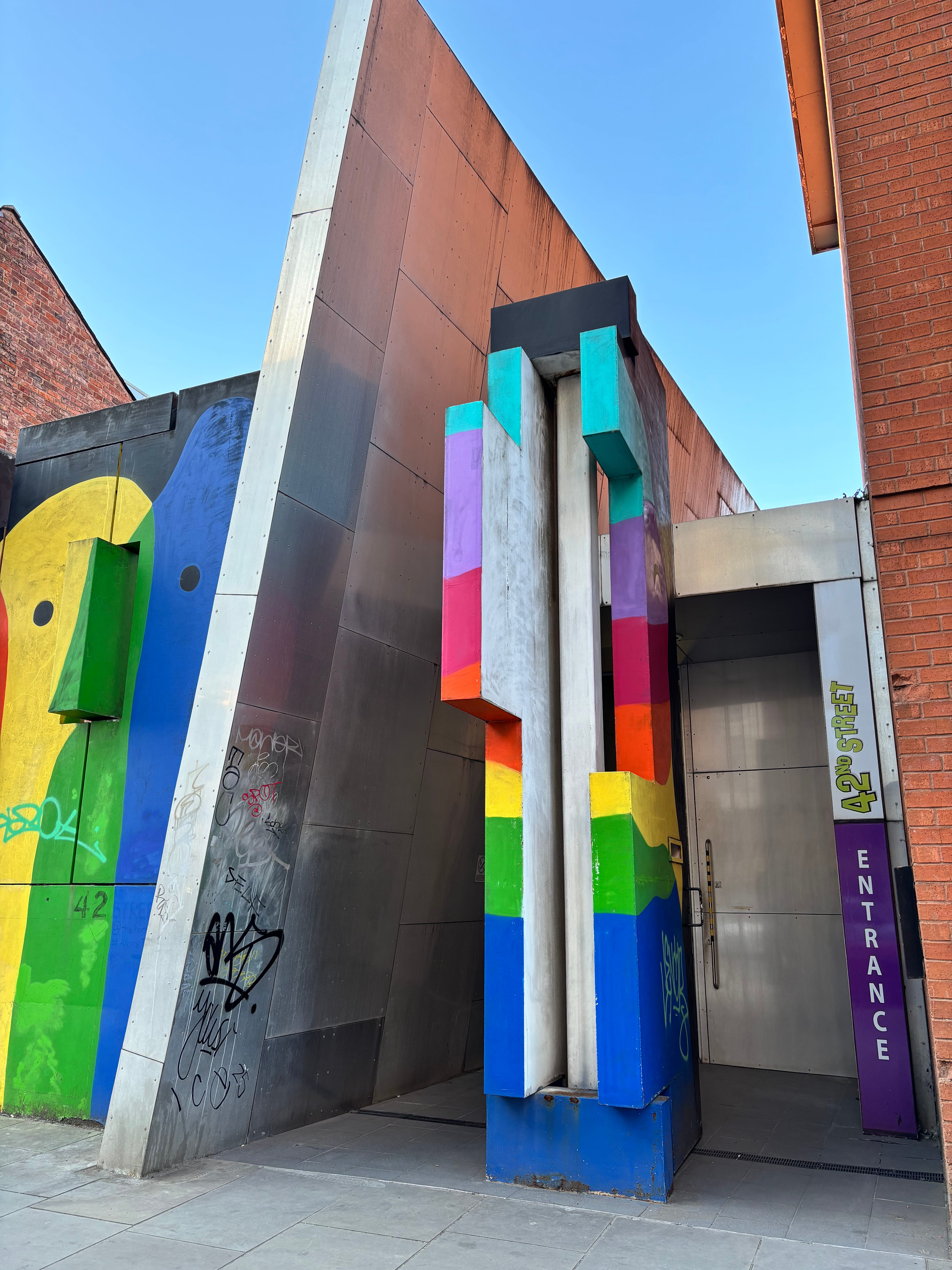
Sarah Jones, Marketing and Communications Manager at 42nd Street, a leading youth mental health charity in Greater Manchester, explains that one of the biggest challenges young people face today is navigating an increasingly complex world while discovering and forming their identities. She says “These challenges are compounded by inequities and discrimination, meaning that some young people and communities are disproportionately impacted.”
She also points to the difficulties young people encounter when seeking help:
“When young people do reach out for support, they are often met by long waiting lists, over-stretched services and support which doesn’t reflect their lived experiences, resulting in them often feeling unheard, unseen, and unsupported. Young people are asking us for change.
Online Safety: Policy Under Pressure
The digital world is central to adolescent life, but it also brings risks. The UK’s Online Safety Act was designed to protect young people from harmful content. However, recent reports have raised concerns that the government may review and potentially weaken these laws as part of a trade agreement with the United States.
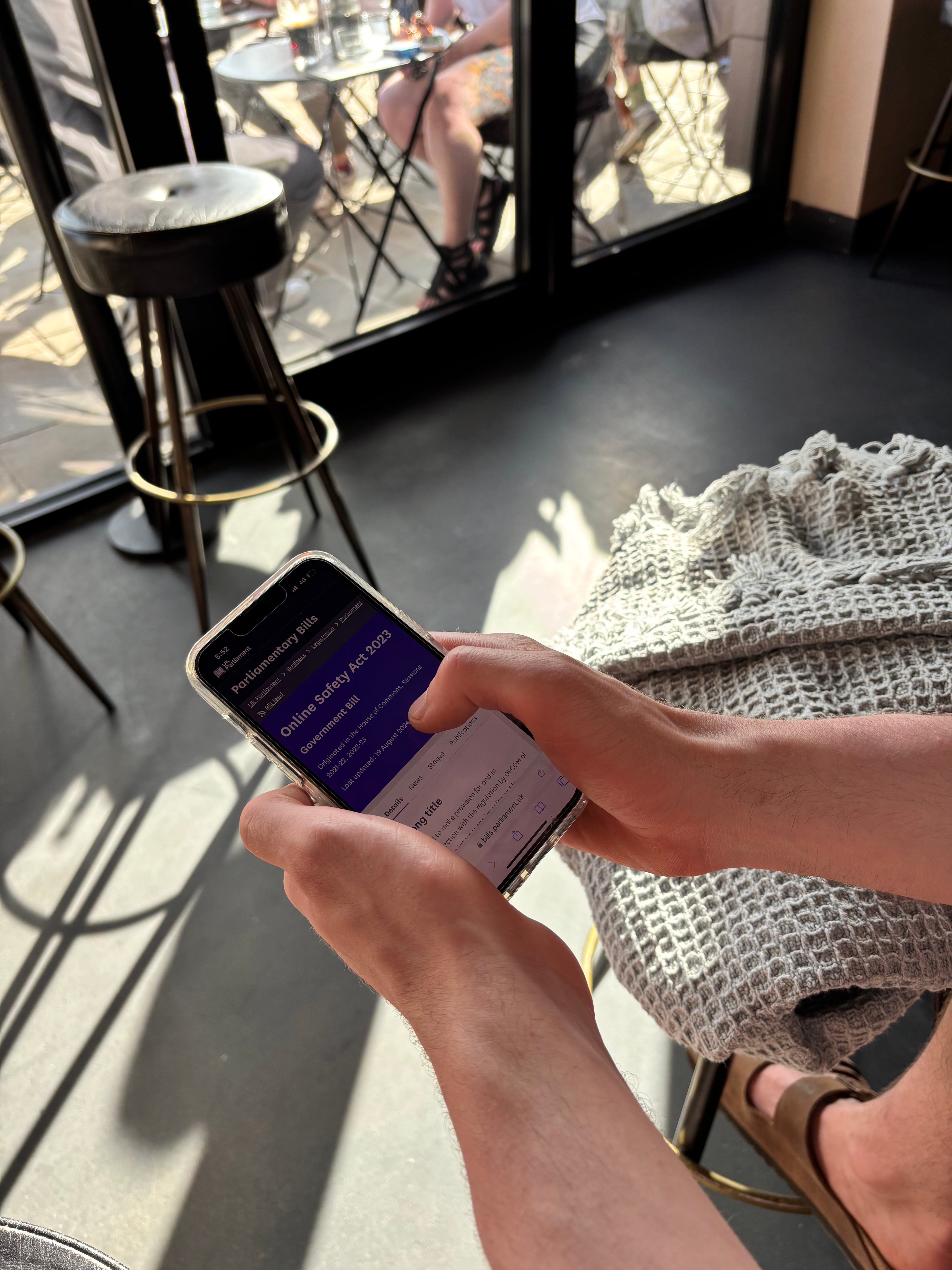
Andy Burrows, chief executive of the Molly Rose Foundation, told PA Media:
“We are dismayed and appalled by reports that the Online Safety Act could be watered down to facilitate a US trade deal…At a time when online safety laws require strengthening, it leaves us questioning how many young lives are we prepared to lose to dodge Trump’s tariffs?”
Young Voices: What Young People Want
Young people are speaking out on social media, in schools, and in community forums about what they need from adults and policymakers. Their priorities include better mental health support, safer online spaces, and teachers who understand their challenges.
@amberhaque_Adolescence on Netflix, what do young lads really think!? Is the “Andrew Tate” effect real? #adolescence #toxicmasculinity #streetinterview #uknews
 Tiktok failed to load.
Enable 3rd party cookies or use another browser
The UK’s response to the ‘adolescence’ generation is still evolving. As policymakers debate reforms and charities campaign for stronger protections, the voices and experiences of young people must remain at the centre of the conversation.
 Ruby Henry-Dicks
Leave a comment